If you are thinking about selling in Chimney Hill, you are not just putting a house on the market. You are presenting a home inside one of Edmond’s established neighborhoods, where buyers pay attention to the property, the setting, and the overall lifestyle. When you understand how pricing, preparation, disclosures, and HOA details work together, you can make smarter choices and reduce stress from day one. Let’s dive in.
Why Chimney Hill attracts buyers
Chimney Hill has a distinct identity that can shape how buyers view your home. The neighborhood began development in 1976 and includes nine sections with separate covenants, along with varied terrain, mature woodlands, a creek, greenbelts, pools, playgrounds, tennis and basketball courts, and private pathways into Hafer Park.
That matters because buyers often compare more than square footage and finishes. They are also considering the feel of the neighborhood, access to outdoor space, and how convenient the location is to downtown Edmond and I-35.
Hafer Park adds to that value story. The City of Edmond describes E.C. Hafer Park as a 121-acre park with trails, fishing, playgrounds, pavilions, a volleyball court, an exercise station, a stage, and an athletic complex.
When you sell in Chimney Hill, your marketing should reflect both the home and the neighborhood context. Good listing photos, showing remarks, and open-house conversations should help buyers understand what makes the setting appealing and practical.
Step 1: Start with the right pricing strategy
Pricing is one of the most important decisions you will make. In early 2026, third-party data placed Chimney Hill in the low-to-mid $300,000 range, but the exact number varied depending on the source and the metric being measured.
Zillow’s February 2026 home value index for Chimney Hill was $342,162, up 2.2% year over year. Redfin reported a March 2026 median sale price of $331,500 with average days on market of 53, while Realtor.com showed 9 active homes for sale, a median listing price of $368,500, and average days on market of 44.
These numbers are useful, but they are not interchangeable. They measure different things, so they should be treated as directional guidance rather than a single answer.
Edmond-wide data showed a similar pattern. Realtor.com reported an April 2026 median listing price of $415,000, a median sold price of $350,000, and 47 median days on market, while Zillow showed an average home value of $355,632, a median sale price of $344,500, and 23 median days to pending.
What this means for your sale
You want to price from recent closed comparable sales and current buyer behavior, not from a single automated estimate. If you price too high based on an outdated peak or a hopeful number, you may lose early momentum.
A strong pricing plan should consider:
- Recent closed sales in Chimney Hill and nearby Edmond neighborhoods
- Current active competition
- Condition, updates, lot position, and backing features
- Buyer response in the first days on market
- How long similar homes are taking to sell
In a neighborhood with mature homes and varied architecture, even similar addresses can perform differently. Thoughtful pricing helps you attract serious buyers early, when attention is usually highest.
Step 2: Prepare your home before listing
Before your home goes live, focus on presentation and function. In Chimney Hill, buyers may be especially drawn to mature landscaping, wooded surroundings, and the relationship between the house and its setting.
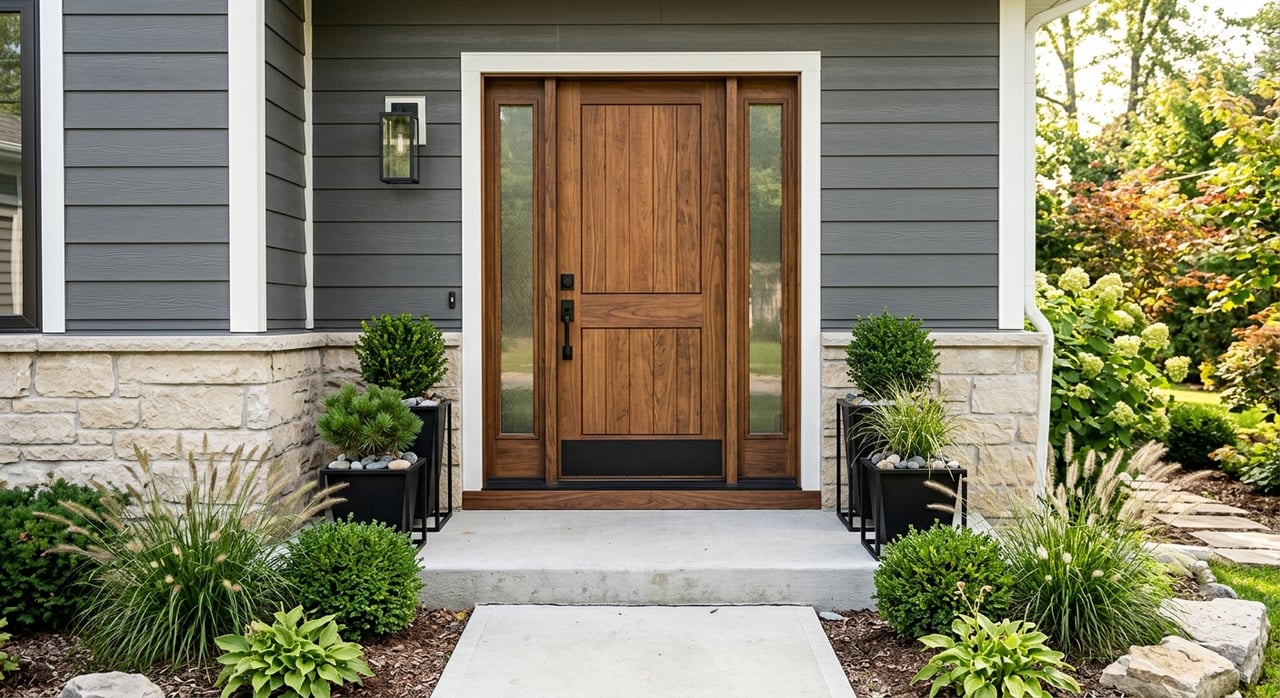
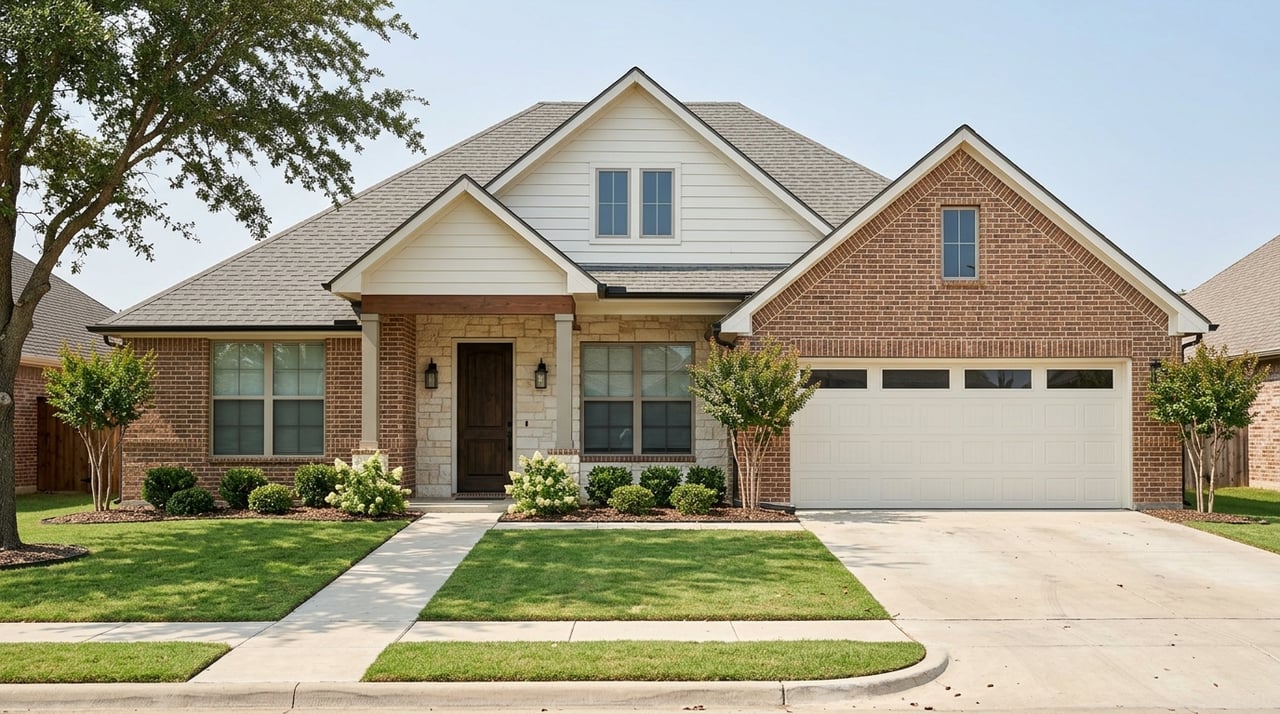
That means curb appeal matters. Clean up the yard, trim shrubs, freshen mulch if needed, and make sure outdoor spaces look cared for and usable.
Inside, your goal is to help buyers picture themselves in the home. The 2025 Profile of Home Staging found that 83% of buyers’ agents said staging makes it easier for buyers to visualize a property as their future home.
The same report found that photos were important to 73% of buyers’ agents and 88% of sellers’ agents. It also reported that 29% of agents saw staging contribute to a 1% to 10% increase in offered value, while 49% of sellers’ agents said staging reduced time on market.
Focus on high-impact prep
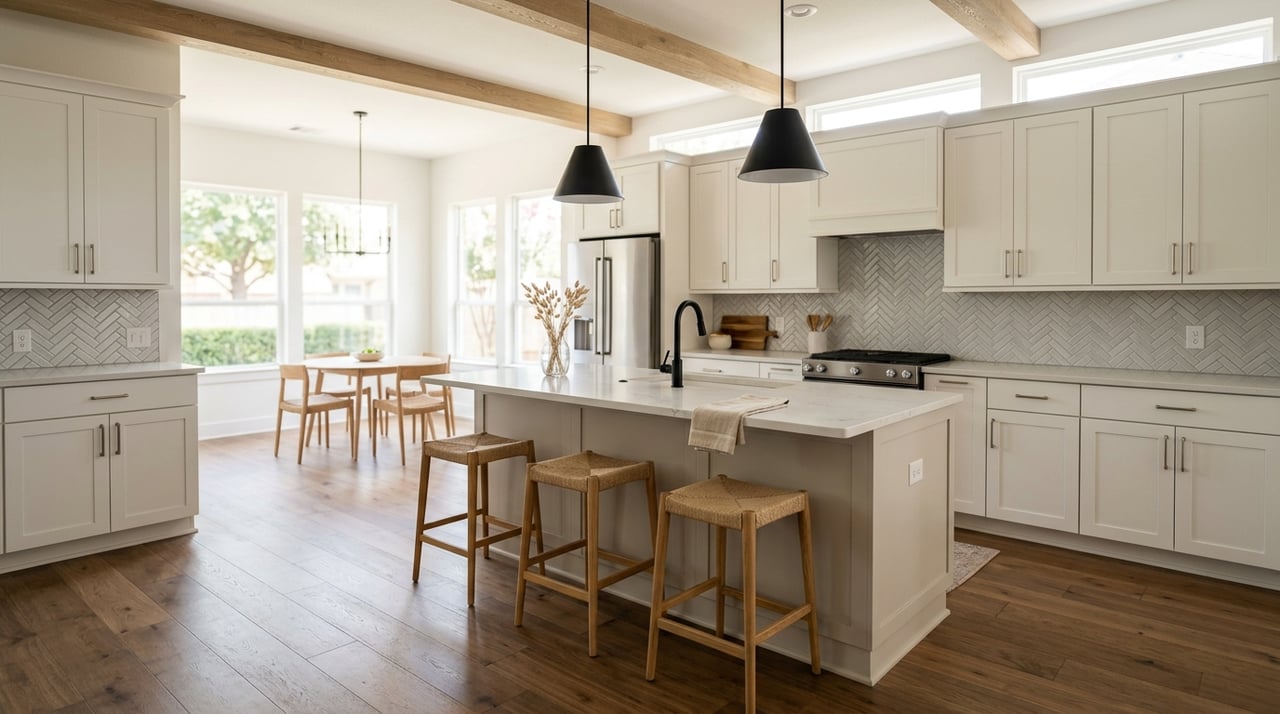
You do not need to over-improve your house to get it ready. A better approach is to clean thoroughly, handle touch-up repairs, and remove distractions that could stand out during showings or the buyer’s final walk-through.
Start with these basics:
- Deep clean the home from top to bottom
- Touch up paint and minor cosmetic flaws
- Replace burned-out bulbs and test fixtures
- Declutter countertops, shelves, and storage areas
- Make windows and mirrors shine for photos
- Refresh key rooms like the kitchen, living room, and primary bedroom
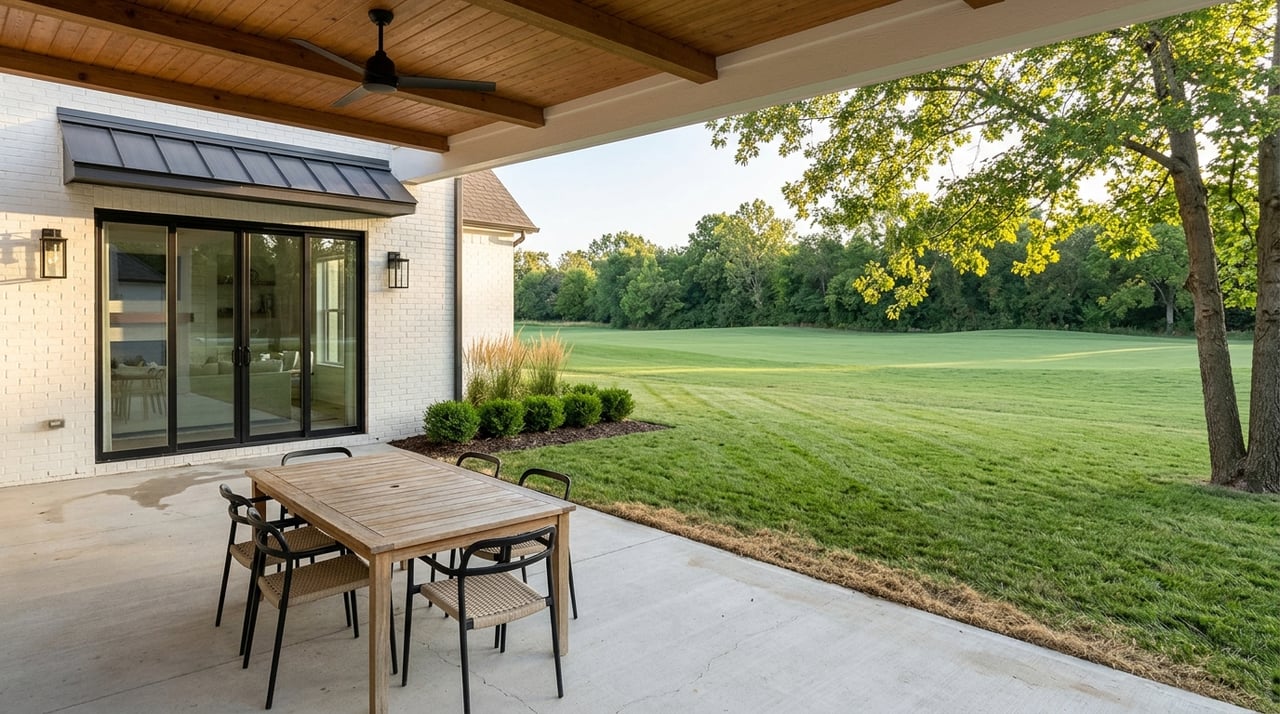
- Highlight outdoor areas, patios, and wooded views if applicable
Professional photography is especially important in Chimney Hill. Strong images can showcase natural light, established trees, exterior character, and proximity to neighborhood amenities in a way that basic photos often miss.
Step 3: Confirm key property details early
A smooth sale often depends on the details you verify before a buyer asks. In Chimney Hill, three topics commonly come up early: home age, HOA information, and school assignment.
Because Chimney Hill began in 1976, some homes may predate 1978. If your home was built before 1978, federal lead-based paint rules may apply.
EPA rules for pre-1978 housing require sellers and agents to disclose known lead-based paint information, provide the lead-hazard pamphlet, and do so before the buyer signs the contract. If you have any prior lead reports or remediation records, gather them before listing.
School assignment is another common buyer question. Edmond Public Schools uses home-address-based school boundaries, and families are asked to verify placement through the district’s boundary and bus-stop tools.
That means you should be careful not to guess. If school zoning comes up, the best practice is to direct buyers to verify the assigned school for the specific address.
HOA details matter in Chimney Hill
The Chimney Hill HOA says the neighborhood has nine separate covenants recorded at the Oklahoma County Clerk’s Office. It also states that assessments are annual, statements are mailed in December, and payment is due January 1.
Buyers may ask what the HOA covers, whether there are current dues, and whether transfer paperwork is required. If you gather this information upfront, you can answer questions quickly and avoid delays later.
Step 4: Understand Oklahoma disclosure requirements
In Oklahoma, disclosures are not something to leave until the last minute. Under the Residential Property Condition Disclosure Act, a seller of a one- or two-unit residential property must deliver either a disclaimer statement or a disclosure statement on an Oklahoma Real Estate Commission form.
The disclosure form covers known conditions involving items such as water and sewer systems, structure, plumbing and HVAC, wood-destroying organisms, major fire or tornado damage, land use matters, hazardous or regulated materials, prior methamphetamine manufacturing, and other known defects.
The form must be completed, signed, dated, and no more than 180 days old when the buyer receives it. If you discover a new defect after completing it, you must provide an amended statement.
Oklahoma licensees also have duties tied to this process. The disclosure or disclaimer must be obtained and made available before acceptance of an offer, and a licensee must disclose defects they actually know about if those defects are not already in the seller’s statement.
How to make disclosures easier
The best approach is simple: be prompt, be accurate, and be thorough. Gather service records, repair receipts, warranties, and any other helpful documentation before your home goes live.
This can help you complete the disclosure more confidently and reduce surprises during the contract period. Buyers usually feel more comfortable when the information is clear from the beginning.
Step 5: Plan for showings, inspections, and walk-throughs
Once your home is active, showing readiness becomes part of the job. A clean, organized home is easier to show and leaves a better impression on buyers.
Oklahoma’s residential sale contract also points to practical responsibilities during this phase. Sellers should keep water, gas, and electricity on for buyer inspections through the date of possession or closing, whichever comes first.
The contract allows the buyer to perform a final walk-through. It also states that the buyer accepts the property in its condition at closing, ordinary wear and tear excepted.
What sellers should do during this phase
Your goal is to keep the home stable and inspection-ready. That usually means:
- Keeping utilities on
- Staying current on basic maintenance
- Addressing agreed repairs on time
- Keeping the property clean for re-visits and walk-throughs
- Avoiding new damage while the transaction is pending
This is another reason not to over-focus on flashy upgrades. Buyers and inspectors tend to notice condition, maintenance, and whether the home feels well cared for.
Step 6: Get ahead of HOA and closing paperwork
Many closing delays come from paperwork that could have been started earlier. In Chimney Hill, HOA documents are one piece of that puzzle.
According to the HOA, the management company handles account questions, and the neighborhood has section-specific covenants. Under Oklahoma’s residential sale contract, mandatory HOA dues and assessments are prorated through closing, and any fee for a current-status HOA statement or membership transfer is paid by the seller.
The contract also lays out other timing and cost details. The seller provides title evidence within 30 days before closing, the buyer has 10 days to review title evidence, and if title issues need to be cured, the seller may delay closing to fix them.
Seller-paid costs in the contract include documentary stamps, the seller’s closing fee, and any seller recording fees. Closing is completed through document execution, deed delivery, and the seller’s receipt of funds, with possession transferring at the conclusion of closing unless the parties agree otherwise.
A simple closing checklist
To stay organized, prepare these items early:
- HOA account and status information
- Any transfer or statement fees
- Disclosure or disclaimer forms
- Repair and maintenance records
- Title-related documents requested during escrow
- A plan for possession and move-out timing
When these items are handled early, the final stretch usually feels much more manageable.
Step 7: Market the full Chimney Hill story
In a neighborhood like Chimney Hill, the strongest listings do more than list features. They connect the home to what buyers are already looking for in Edmond: established surroundings, outdoor access, practical amenities, and a convenient location.
That does not mean overhyping the property. It means presenting it clearly and professionally, with strong visuals, accurate details, and a pricing strategy grounded in the market.
For many sellers, that project management piece is just as important as the marketing itself. When pricing, presentation, paperwork, negotiation, and deadlines all need attention at once, a clear step-by-step plan can make the process feel much less overwhelming.
Selling in Chimney Hill is often about getting the details right from the start. If you confirm the home’s age, gather HOA information, prepare disclosures early, and present the property well, you give yourself a better chance at a smoother sale and a stronger result.
If you are getting ready to sell in Chimney Hill and want local guidance with pricing, presentation, and transaction details, schedule a free consultation with James Hugo.
FAQs
What should you do first when selling a home in Chimney Hill?
- Start by confirming your home’s age, HOA section, and key property details, then build your pricing strategy around recent comparable sales and current buyer activity.
How should you price a home in Chimney Hill, Oklahoma?
- Price from recent closed comps and current market behavior in Chimney Hill and Edmond rather than relying on a single online estimate or an older peak-market number.
What HOA information do buyers ask for in Chimney Hill?
- Buyers often ask about annual assessments, covenant details, account status, and whether there is transfer paperwork or a current-status statement needed at closing.
Do sellers in Chimney Hill need an Oklahoma property disclosure?
- Sellers of a one- or two-unit residential property generally must provide either a disclosure statement or a disclaimer statement on the required Oklahoma Real Estate Commission form before an offer is accepted.
Do older Chimney Hill homes need lead-based paint disclosures?
- If the home was built before 1978, sellers must follow the required lead-based paint disclosure steps and provide any known information before the buyer signs the contract.
What should sellers keep ready during a Chimney Hill home sale?
- Keep the home clean, maintain utilities for inspections, prepare for the final walk-through, and organize disclosure, HOA, and title-related paperwork early to help avoid delays.